Xiaomi Redmi 3S / Redmi 3S Prime

Xiaomi Redmi 3S / Redmi 3S Prime specifications
- 5-inch (1280 x 720 pixels) HD IPS display
- Octa-Core Qualcomm Snapdragon 430 ( 4 x 1.2 GHz Cortex A53 + 4 x 1.5 GHz Cortex A53) 64-bit processor with Adreno 505 GPU
- 2GB LPDDR3 RAM with 16GB (eMMC5.0) internal storage / 3GB LPDDR3 (eMMC5.1) RAM with 32GB internal storage (Redmi 3S Prime) expandable memory up to 128GB with microSD
- MIUI 7 based on Android 6.0 (Marshmallow)
- Hybrid Dual SIM (micro + nano / microSD)
- 13MP rear camera with PDAF, LED Flash, f/2.0 aperture, 1080p video recording
- 5MP front-facing camera, f/2.2 aperture, 1080p video recording
- Dimensions: 139.3 x 69.6 x 8.5mm; Weight: 144g
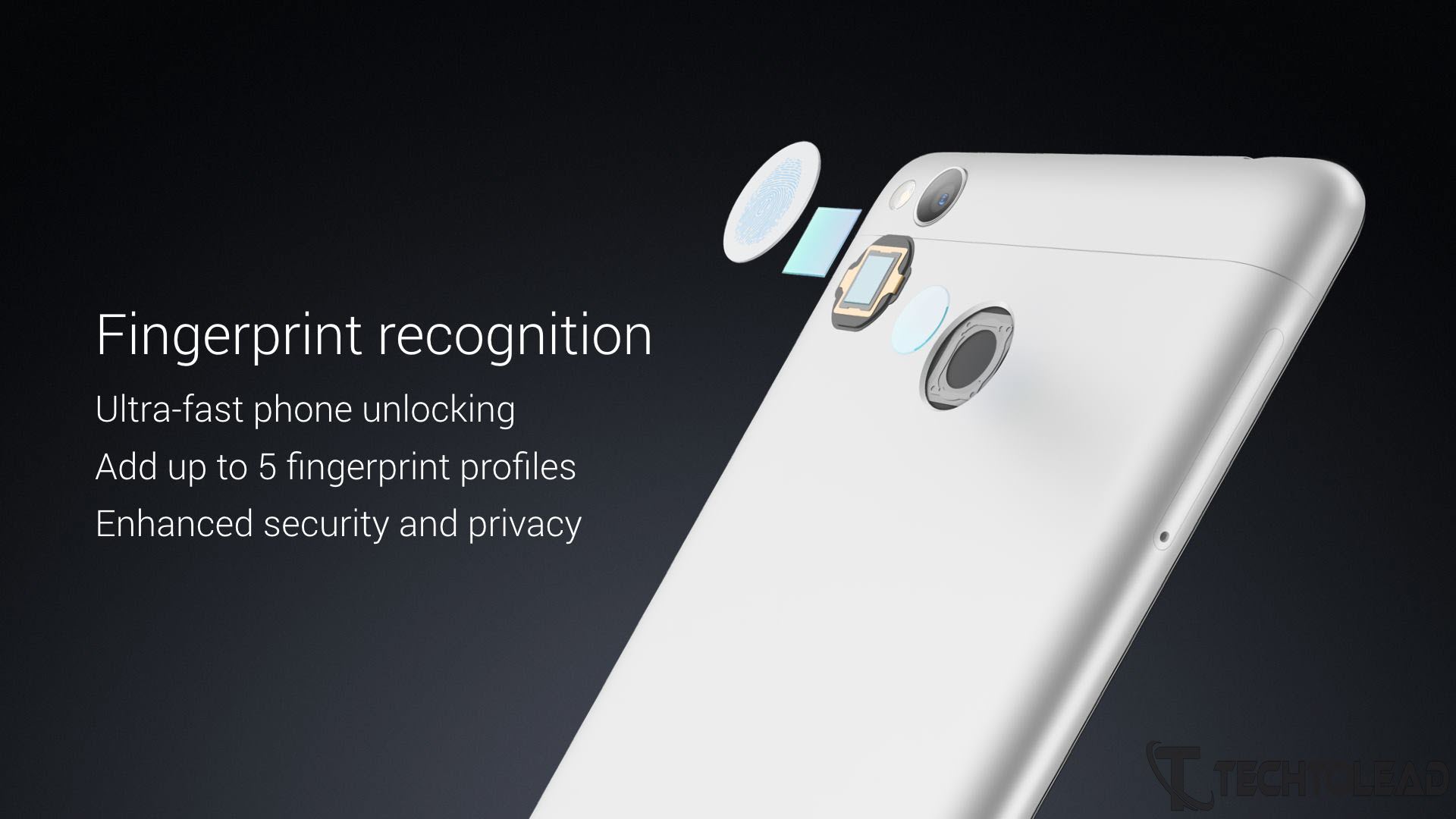
- Fingerprint sensor (Redmi 3S Prime), Infrared sensor
- 4G LTE, Wi-Fi 802.11 b/g/n, Bluetooth 4.1, GPS + GLONASS
- 4000mAh battery / 4100mAh (typical)
Design
The Redmi 3S follows a design language that is nigh identical to that on the Redmi Note 3. Shrink down the latter a little bit and you’ve got the Redmi 3S. Can’t really complain about that either since the design isn’t quite the eyesore though it errs on the side of utilitarian.
The front of the phone is dominated by the 5inch display that is flanked on all sides by bezels. Below the screen you have three capacitive keys that correspond to menu, home and back. This is rather typical of the company’s phones. The bezels on the side of the display are relatively narrow and don’t detract from the experience. Up top is a 5MP front facing camera with the earpiece placed next to it. A metallic band runs all around the front of the phone that prevents the phone from laying flat on a surface and the screen getting scratched. The phone does have some sort of protective glass on top but the company refused to divulge what kind it is. Suffice to say that you should probably look at investing in a good screen protector for your device.
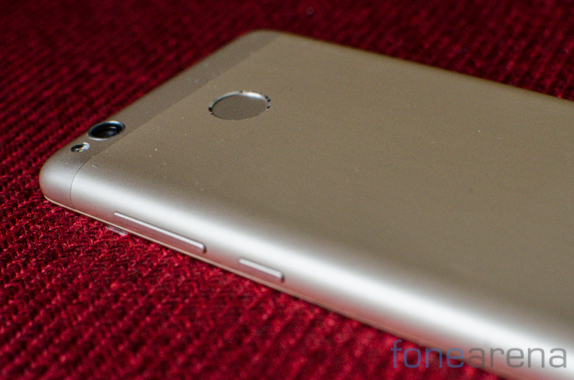
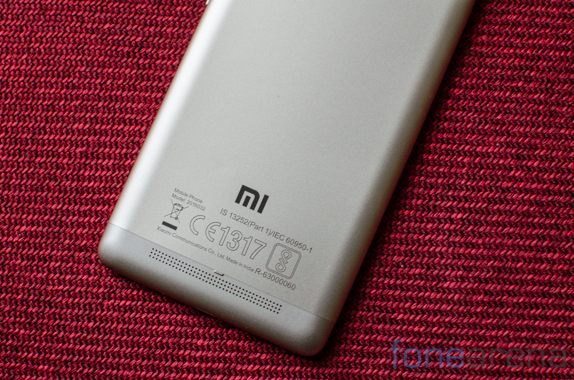

The back of the phone is a very clean affair and the only branding is just a silk-screened Mi logo towards the bottom. The handset is being manufactured in India and says so at the bottom. Up above is the fingerprint scanner while the camera module and its accompanying flash is placed at the top left corner. It is worth noting that only the Prime variant ie the 3GB / 32GB storage variant comes with a fingerprint scanner.

The dimensions of the Redmi 3S come in at 139.3 x 69.6 x 8.5mm and with a weight of 144 grams, the phone is pretty compact. From an ergonomics perspective, the smaller 5 inch display on the Redmi 3S makes it feel really good in the hand, and manages to fit well even in tight pockets. It might not be the smartest looking device around but it sure is a very comfortable device to use.
Software
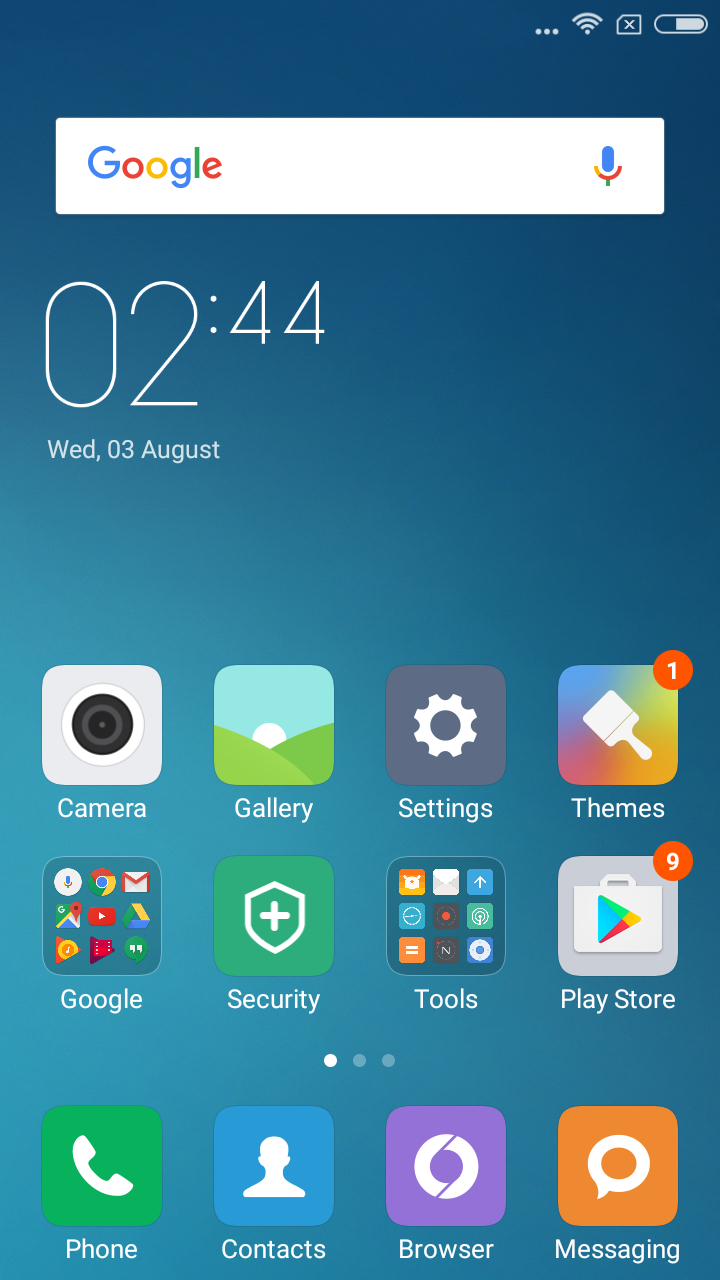
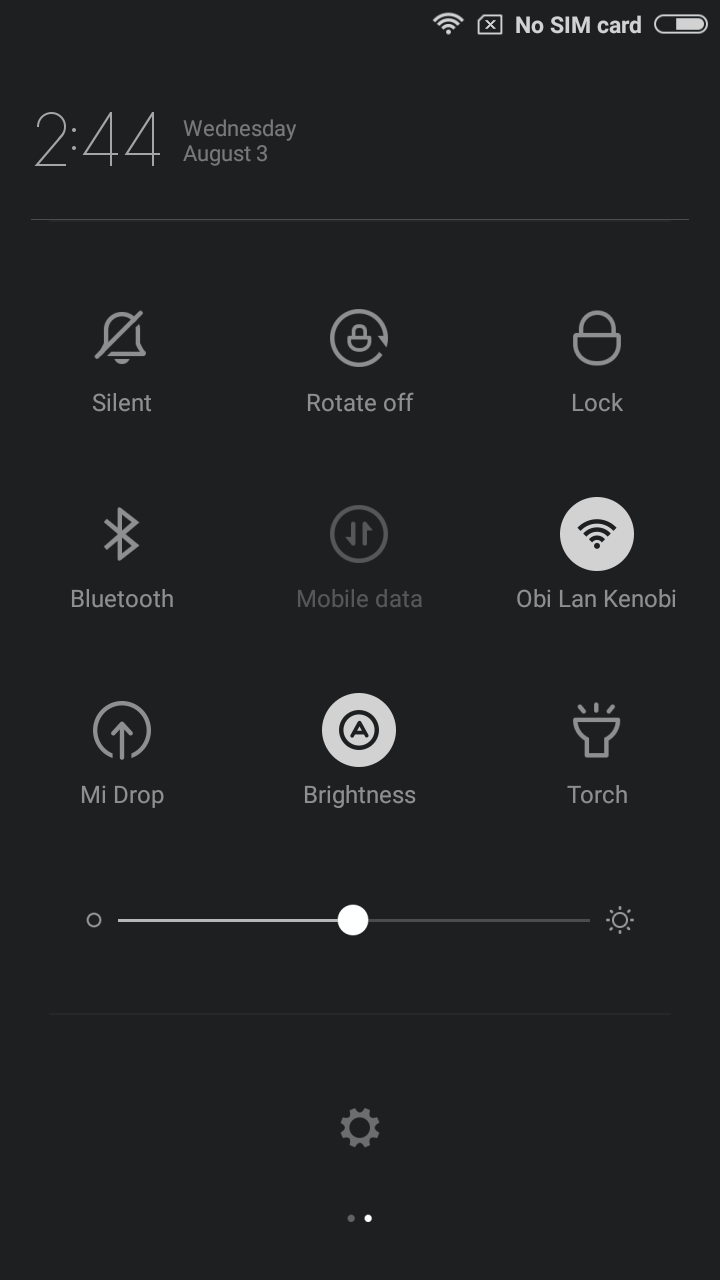
If you’ve used a Xiaomi device, you have a good idea of how MIUI works. Based on Android 6.0.1, MIUI 7 on the Redmi 3S is a completely redesigned take on Android with several iPhone-esque cues all around.


Performance
There’s a Snapdragon 430 processor onboard the handset that includes an Adreno 505 GPU. The Snapdragon 430 might not be the de-facto choice from a performance perspective but what it does offer is a great balance between usability and battery life. Indeed, in day-to-day use you’ll struggle to find a skipped frame or a hint of lag. The 720p display further helps in this regard by going easy on the GPU. Though the phone will be available in both 2GB and 3GB variants, we’d recommend sticking to the higher end variant that we’ve been testing unless you really don’t want to spend the extra amount. Even with games, the performance was satisfactorily smooth though we did observe a mild amount of heating near the camera. We’ve included a number of benchmarks below to give you a better idea of comparative performance.


0 comments:
Post a Comment